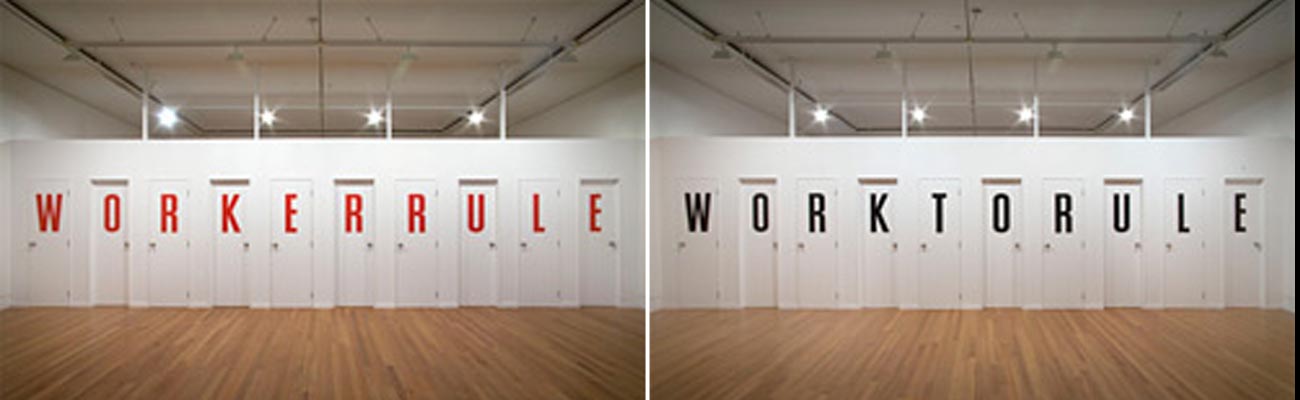
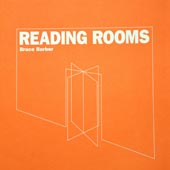
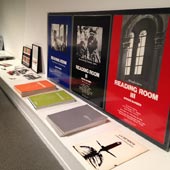
Bruce Barber is an interdisciplinary media artist, cultural historian and curator whose research and writing explores the representation of art, artists and art history in film, television, cartoons and comics. At NSCAD University for 40 years he taught courses in media arts and film history. He holds a BFA (1973), and MFA in Sculpture and Art History from Auckland University (1975); an MFA (Intermedia), NSCAD (1978), and PhD (2005), Media and Communications, European Graduate School Leuk Stadt, Switzerland. His interdisciplinary artwork has been exhibited internationally at the Paris Biennale, Sydney Biennale, Florence Biennale, 49th Parallel Gallery, the New Museum of Contemporary Art, Walter Phillips Gallery, London Regional Gallery, Auckland City Art Gallery, Artspace, Sydney and Auckland and is represented in various public and private collections. Barber is the editor of Essays on Performance and Cultural Politicization and of Conceptual Art: the NSCAD Connection 1967-1973. He is co-editor, with Serge Guilbaut and John O'Brian of Voices of Fire: Art Rage, Power, and the State. Editor of Condé + Beveridge: Class Works (2008); also author of Performance [Performance] and Performers: Essays and Conversations (2 volumes) edited by Marc James Léger (2008), and Trans/Actions: Art, Film and Death (2008), Littoral Art & Communicative Action edited by Marc James Léger (2013) and Popular Modernisms: Art, Cartoons, Comics and Cultural In/subordination (2024). His critical essays have appeared internationally in numerous anthologies, art journals and magazines. Barber’s interdisciplinary art practice is documented in the publications Reading Rooms and Bruce Barber Work 1970-2008. He is best known for his performance work, neo-conceptual reading and writing rooms, Squat projects and his theoretical writing and theory on littoral art, cultural intervention and other relational art practices.